
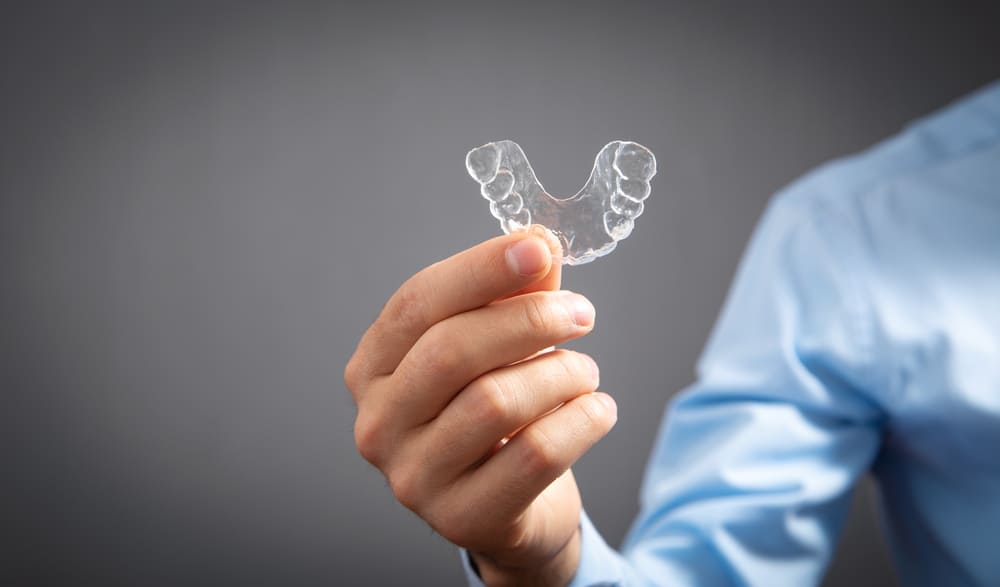
After months of dedication and taking good care of your teeth, your braces are finally coming off. You now have that smile you wanted for so long. But you aren’t done yet. This is the time to make some decisions about retainers. Teeth have a natural tendency to move back to their original position after the treatment but the function of a retainer after braces is to hold them in their position so that the relapse doesn’t occur.
There are mainly two types of retainers – removable retainer and permanent retainer. And both come with their pros and cons. Read on to find out more about these two types before you make a decision.
Removable Vs Permanent Retainers: Key Differences
| Feature | Removable Retainer | Permanent (Fixed) Retainer |
|---|---|---|
| Appearance | Clear or tooth-colored (depending on the type) | Hidden behind the teeth |
| Wear | Removed for eating and cleaning | Worn continuously |
| Best For | Patients with good compliance | Patients at higher risk of relapse |
| Eating | Remove before eating | Can eat with it; avoid very hard or sticky foods |
| Cleaning | Easy to clean | Requires extra flossing and care |
| Oral Hygiene | Easier to maintain | Higher risk of plaque buildup if hygiene is poor |
| Comfort | Comfortable after a short adjustment period | Comfortable after a short adjustment period |
| Durability | Can be lost, warped, or cracked | Can debond or break over time |
| Maintenance | May need replacement over time | Requires periodic monitoring and possible repairs |
What Are Removable Retainers?
Removable retainers are made from a clear plastic sheet that are formed to fit your teeth perfectly. They have a tight hold on your teeth that helps them stop the teeth from moving back into their original position. But retainers are a commitment. A removable invisible retainer should be worn all day and night for 2 to 3 months. And after that, only at nights for the lifetime. Even if you take good care of your teeth, removable retainers will need to be worn for at least 10 years after the treatment. This makes sure that you still have the smile you have worked so hard for.
What Are The Pros And Cons Of Removable Retainer?
Pros
- Clear retainers are almost invisible and easy to wear.
- You need not wear them all day long, just at nights would do.
- Clear trays completely cover the teeth, hence holding them strong in their new position.
- Since they can be removed, they are easier to clean and take care of.
- Removable retainers aids in good oral hygiene since you can remove them before brushing and flossing your teeth.
- Perfect in cases when patients get dental restorations such as fillings and crowns since it protects the teeth if they clench and grind them.
- Teeth whitening after the treatment is easy with clear retainers. Patients can apply bleaching gel on the inside of the retainers and use them as a bleaching tray.
Cons
- Removable retainers need to be taken out while playing sports or eating. This can get hectic sometimes.
- Patients tend to usually lose them.
What Is A Permanent Retainer?
These are called bonded or fixed retainers. They are bonded behind the teeth to avoid relapse and are great in cases where patients had a large space between the front teeth before the treatment. They help keep the space closed.
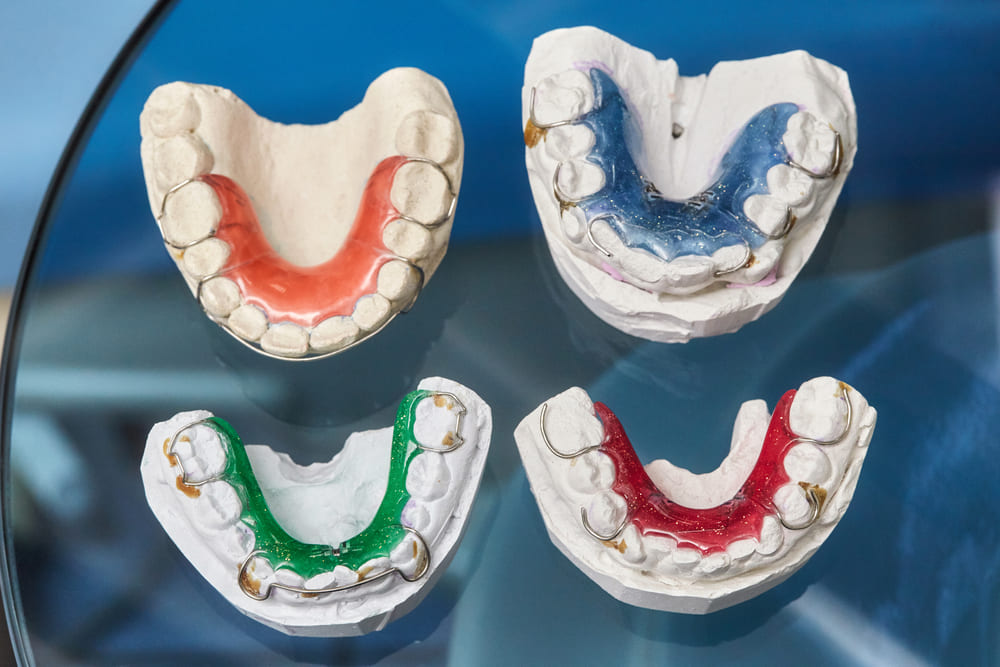
Pros And Cons Of Permanent Retainer
Pros
- Permanent retainers are ideal in cases when relapse is most likely to occur.
- Permanent retainers need not be taken out before meals and other activities which saves the time of taking them out and putting them back in every day.
Cons
- Permanent retainers add a little extra time for flossing since the retainer is attached between the teeth.
- They sometimes affect oral hygiene since they are more susceptible to the plaque build around them.
- Hard, sticky and crunchy food may cause the retainer to break.
- There are bonded only to the 6 front teeth and hence do not provide protection from relapse for the back teeth.
- Sometimes, they can cause speech impediment.
Retainers after the orthodontic treatment are a long-term commitment. But if you get detailed assistance, you can choose what suits your lifestyle best. At Thurman Orthodontics, we strive to give our patients the most reliable treatment and all the advice and support to ensure that the result they see after the treatment is exactly what they wanted.
Frequently Asked Questions
How long do permanent retainers last?
A permanent retainer can last for many years with proper care. However, the bonding material or wire may need repair or replacement over time due to normal wear, teeth grinding, or accidental damage. Regular orthodontic checkups help ensure it remains secure and effective.
Can permanent retainers break?
Yes. While permanent retainers are designed to be durable, the wire can bend or the bonding can loosen due to hard or sticky foods, trauma, or teeth grinding. If your retainer feels loose or breaks, contact your orthodontist promptly to prevent your teeth from shifting.
Can I switch from a permanent retainer to a removable retainer?
Yes, in some cases. Your orthodontist may recommend switching to a removable retainer if your teeth have remained stable and you’re committed to wearing it as directed. The decision depends on your orthodontic history and risk of relapse.
Which retainer is easier to clean?
Removable retainers are generally easier to clean because they can be taken out before brushing and flossing. Permanent retainers require additional cleaning around the bonded wire using floss threaders or interdental brushes to help prevent plaque buildup.
Do removable retainers prevent teeth from shifting?
Yes. Removable retainers help maintain your teeth’s new position after orthodontic treatment, but only when worn as prescribed. Failing to wear them consistently can increase the risk of teeth shifting over time.
Can I eat with a permanent retainer?
Yes. Permanent retainers remain in place while you eat, but it’s best to avoid biting into very hard or sticky foods, as they can damage the wire or loosen the bonding.
How often should retainers be replaced?
There isn’t a fixed replacement schedule. Removable retainers should be replaced if they become cracked, warped, or no longer fit properly. Permanent retainers don’t require routine replacement but may need repair or replacement if the wire breaks or the bonding comes loose. Regular orthodontic checkups help determine when replacement is necessary.
Have questions? Give us a call at 559-439-0425 or visit https://www.thurmanortho.com to book an appointment and let us take care of your smile.

Dr. Brian Thurman has spent his entire life enjoying all the beauty that California has to offer. A Fresno native, he still escapes to the ocean or the mountains whenever his busy schedule allows. Driven by his love for natural beauty, Dr. Thurman enjoys creating beautiful smiles and healthy bites that last a lifetime. He is proud to be the only Ivy League trained Orthodontist in the Fresno/Clovis area.