
Key Takeaways
- Buck teeth (overjet) occur when the upper front teeth protrude over the lower teeth due to jaw or tooth misalignment.
- Common causes include genetics, thumb sucking, tongue thrusting, pacifier overuse, and missing or crowded teeth.
- Buck teeth can affect chewing, speech, jaw comfort, and increase the risk of tooth and gum damage if left untreated.
- Treatment options include braces, Invisalign, palate expansion, and jaw surgery for severe skeletal cases.
- Early evaluation leads to easier correction, but buck teeth can be successfully treated at any age with proper orthodontic care.
What are Buck Teeth?
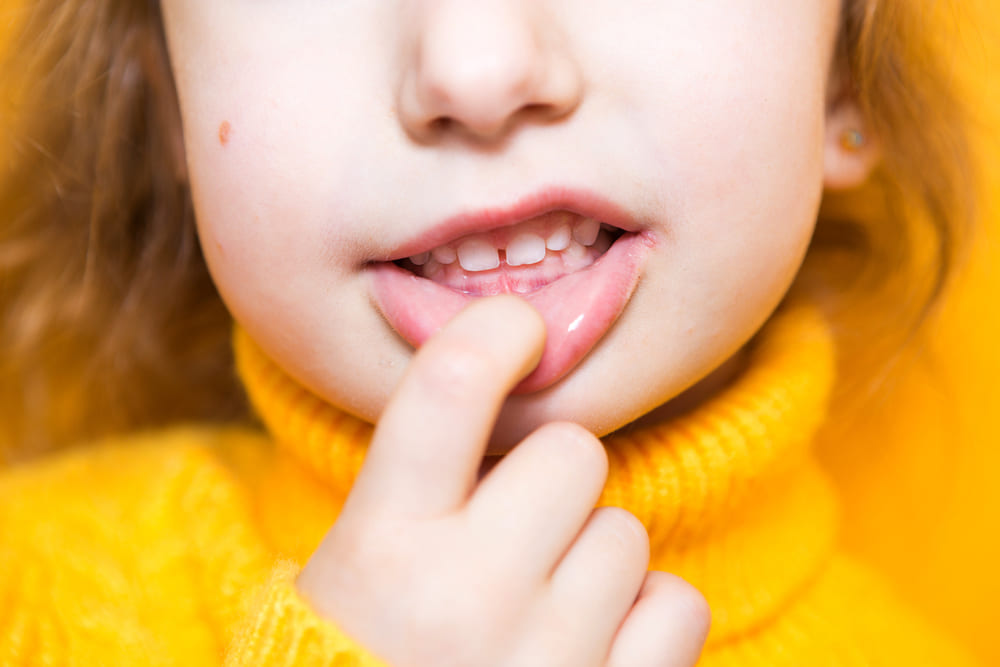
Buck teeth is a common class II malocclusion where upper front teeth protrude over the lower teeth. It happens due to misalignment of the upper and lower jawbones.
What Causes Buck Teeth?
If you are wondering, “Why me!” you can check out the following common causes of overbite teeth.
- Tongue Thrusting: Pushing the tongue against the front teeth in childhood often results in buck teeth. Some people do it as adults as well.
- Thumb Sucking: It is not very rare to get buck teeth from thumb sucking, as thumb sucking is one of the most common childhood habits.
- Overuse of Pacifier: Excessive use of a pacifier puts the same pressure on a child’s developing jaw and teeth as thumb sucking does.
- Missing or Crowded Teeth: The alignment of the jaw and teeth gets disturbed by missing and crowded teeth, causing protruding teeth.
- Genetics: If your parents and other blood relatives have overjet teeth, you can also get the misaligned jaw and teeth in hereditary.
- Other Factors: Sometimes, teeth grinding, face injury, and excessive nail-biting also lead to buck teeth.
What are the Common Signs and Symptoms of Buck Teeth?
Buck teeth condition often comes with functional challenges that impact speaking, chewing, and overall comfort. Recognizing the early signs can help you seek timely orthodontic care and prevent related complications.
-
Prominent Front Teeth
The most noticeable sign is when the upper front teeth extend noticeably forward, making them more exposed and vulnerable to injury.
-
Bite and Chewing Difficulties
Buck teeth can prevent the upper and lower teeth from meeting correctly, making it harder to bite into foods and chew efficiently.
-
Difficulty Closing the Mouth
In more pronounced cases, the forward position of the teeth can make it uncomfortable or difficult to close the lips completely at rest.
-
Jaw Discomfort and Facial Pain
Misalignment can place extra strain on the jaw muscles, leading to jaw pain, facial soreness, headaches, or even earaches.
-
Speech Challenges
Protruding teeth may interfere with proper tongue placement, causing difficulty pronouncing sounds such as “s,” “th,” and “z.”
-
Frequent Accidental Biting
Because the teeth are not aligned properly, you may accidentally bite your tongue or inner cheeks more often. This can result in ulcers or tender spots.
What Health Implications Can You Face Due to Buck Teeth?
Overbite correction is not only a matter of enhancing your appearance. Dentists and orthodontists recommend that you fix buck teeth to prevent the following health risks:
- Inadequate Chewing: It’s difficult to chew food properly with overjet teeth. The food doesn’t break down properly, and you may feel pain while chewing and biting food.
- Damaged Gums & Teeth: If your overbite is severe, the lower front teeth damage the upper front teeth and gum line by constantly coming in contact with them.
- Abnormal Airway: Buck teeth come with a small jaw, which allows only a limited air passage. Airway problems lead to breathing issues and sleep disorders like sleep apnea.
- Speech Difficulties: Protruding front teeth make it challenging to speak words with letters F, M, B, V, P, and S. These speech impediments are detrimental to your self-confidence.
How To Fix Buck Teeth?
The good news for people with buck teeth is that multiple treatment options are available for overbite correction. Your orthodontist can choose the most suitable method for you from the following:
-
Braces
Braces are the most popular treatment for overjet teeth. Traditional metal braces move the teeth to the desired position by applying gradual pressure through wires and brackets. Other types of braces are less visible and more comfortable. You can opt for them if your orthodontist permits.
-
Invisalign
Teenagers and adults mostly choose Invisalign for overbite correction. There are two main reasons. First, it uses a series of clear plastic aligners. They are not easily visible to others, unlike the traditional braces. Secondly, Invisalign aligners are extremely comfortable. You can remove them before eating your meals and wear them again afterward.
-
Palate Expansion
This treatment is helpful for people with a smaller upper jaw. This type of jaw can’t accommodate all adult teeth. Therefore, it is expanded via affixing the two palate expanders to the upper molars. This creates more space for the ideal number of teeth.
-
Orthodontic Surgery
All the treatments mentioned above may not work in a severe overbite. Your orthodontist will recommend surgery if the growth of the jaw has stopped. During orthodontic jaw surgery, your upper and lower jaw alignment is corrected to treat the overbite.
Buck Teeth vs. Underbite vs. Open Bite: What’s the Difference?
Not all bite problems are the same. Buck teeth, underbite, and open bite may look similar to an untrained eye, but each condition affects the teeth and jaws in different ways. These conditions require a different treatment approach. Understanding their differences can help you recognize your condition and seek the right orthodontic care.
-
Buck Teeth (Overjet)
Buck teeth occur when the upper front teeth protrude too far forward compared to the lower teeth. This condition is commonly linked to genetics, prolonged thumb sucking, or tongue-thrusting habits. Visually, it often creates the appearance of a prominent upper jaw, and in more severe cases, the lips may not close comfortably.
Functionally, buck teeth can cause speech difficulties, trouble biting into food, and an increased risk of dental injuries. Treatment typically includes braces or Invisalign, while severe cases may require surgical correction. Treatment usually lasts between 12 to 30 months, depending on complexity.
-
Underbite
An underbite develops when the lower jaw extends forward beyond the upper jaw. It causes the lower teeth to sit in front of the upper teeth. This condition is often genetic and related to uneven jaw growth.
People with an underbite may have a noticeably prominent chin and facial imbalance. Chewing problems, jaw strain, and uneven tooth wear are common concerns. Treatment often involves braces, and in moderate to severe cases, jaw surgery may be necessary. Treatment duration typically ranges from 18 to 36 months.
-
Open Bite
An open bite occurs when the upper and lower teeth do not meet vertically when the mouth is closed, leaving a visible gap. This condition is often associated with tongue thrusting, thumb sucking, or skeletal growth issues.
An open bite can affect both appearance and function, making chewing and speech difficult. Treatment may include braces, habit-correction therapy, and, in severe skeletal cases, surgery. Most treatment plans fall within a 12 to 30-month timeframe.
Buck Teeth vs. Underbite vs. Open Bite
| Feature | Buck Teeth (Overjet) | Underbite | Open Bite |
|---|---|---|---|
| Description | Upper front teeth protrude forward | The lower jaw protrudes forward | Upper and lower teeth don't touch vertically |
| Cause | Genetics, thumb sucking, tongue habits | Genetics, jaw growth differences | Tongue habits, skeletal issues |
| Appearance | Prominent upper jaw, lips may not close | Prominent lower jaw (chin sticks out) | Gap when the mouth is closed |
| Problems | Speech issues, chewing difficulty | Chewing difficulty, misaligned bite | Chewing, speech problems |
| Treatment | Braces, Invisalign, surgery if severe | Braces, jaw surgery if needed | Braces, therapy, and surgery if needed |
| Duration | 12-30 months | 18-36 months | 12-30 months |
You Don’t Have to Live with Buck Teeth
Whether you’re a teen or an adult, effective and comfortable treatment options are available. Let our expert orthodontic team create a plan that works for you.
FAQs
-
Can buck teeth be corrected?
Yes, buck teeth can be effectively corrected with orthodontic treatment. Depending on the severity, options may include traditional braces, clear aligners like Invisalign, or other orthodontic appliances. In more complex cases involving jaw alignment, additional treatments may be recommended by an orthodontist.
-
Are buck teeth unhealthy?
Buck teeth are not just a cosmetic concern. Protruding front teeth are more vulnerable to injury and can make proper oral hygiene harder, increasing the risk of tooth decay and gum problems. They may also affect chewing efficiency and speech if left untreated.
-
Are buck teeth and an overbite the same thing?
Not exactly. Buck teeth typically refer to a noticeable protrusion of the upper front teeth, while an overbite describes how much the upper teeth vertically overlap the lower teeth. Although the two conditions can occur together, they are not always the same and may require different treatment approaches.
-
Can adults correct buck teeth without braces?
In many cases, adults can correct mild to moderate buck teeth without traditional metal braces. Clear aligners such as Invisalign are a popular option, offering a more discreet way to straighten teeth. However, severe cases may still require braces or other orthodontic solutions for optimal results.
-
Are buck teeth genetic?
Yes, genetics can play a significant role in the development of buck teeth. Jaw size, tooth size, and bite alignment often run in families. That said, environmental factors, such as thumb sucking, prolonged pacifier use, tongue thrusting, nail biting, or teeth grinding, can also contribute, especially during childhood.
-
Which is faster for buck teeth: braces or Invisalign?
Treatment speed depends on the complexity of the case. Traditional braces often work faster for severe buck teeth because they apply constant, controlled pressure. Invisalign may be quicker for mild cases, provided the aligners are worn consistently for 20-22 hours a day.
-
What is the best age to fix buck teeth?
The ideal time to treat buck teeth is typically between ages 9 and 14, when the jaw is still developing. Orthodontic evaluations are often recommended by age 7 to catch early signs. Early intervention may begin around ages 6-7 if needed, while teenage treatment remains highly effective once most permanent teeth have erupted.
-
How long does it take to fix buck teeth?
Treatment usually takes between 12 and 24 months, though timelines can range from 6 months to 3 years. The duration depends on the severity of the condition, the treatment method used, the patient’s age, and how closely the treatment plan is followed.
-
Is buck teeth correction permanent?
Buck teeth correction can be long-lasting, but retention is essential. Wearing retainers as prescribed helps keep the teeth in their new position. Without proper retainer use, teeth may gradually shift back toward their original alignment.
-
Do buck teeth always require surgery?
No, surgery is not required in most cases. Mild to moderate buck teeth can usually be corrected with braces or clear aligners. Surgical treatment is generally reserved for severe cases where jaw structure, not just tooth position, is the underlying issue.

Dr. Brian Thurman has spent his entire life enjoying all the beauty that California has to offer. A Fresno native, he still escapes to the ocean or the mountains whenever his busy schedule allows. Driven by his love for natural beauty, Dr. Thurman enjoys creating beautiful smiles and healthy bites that last a lifetime. He is proud to be the only Ivy League trained Orthodontist in the Fresno/Clovis area.