
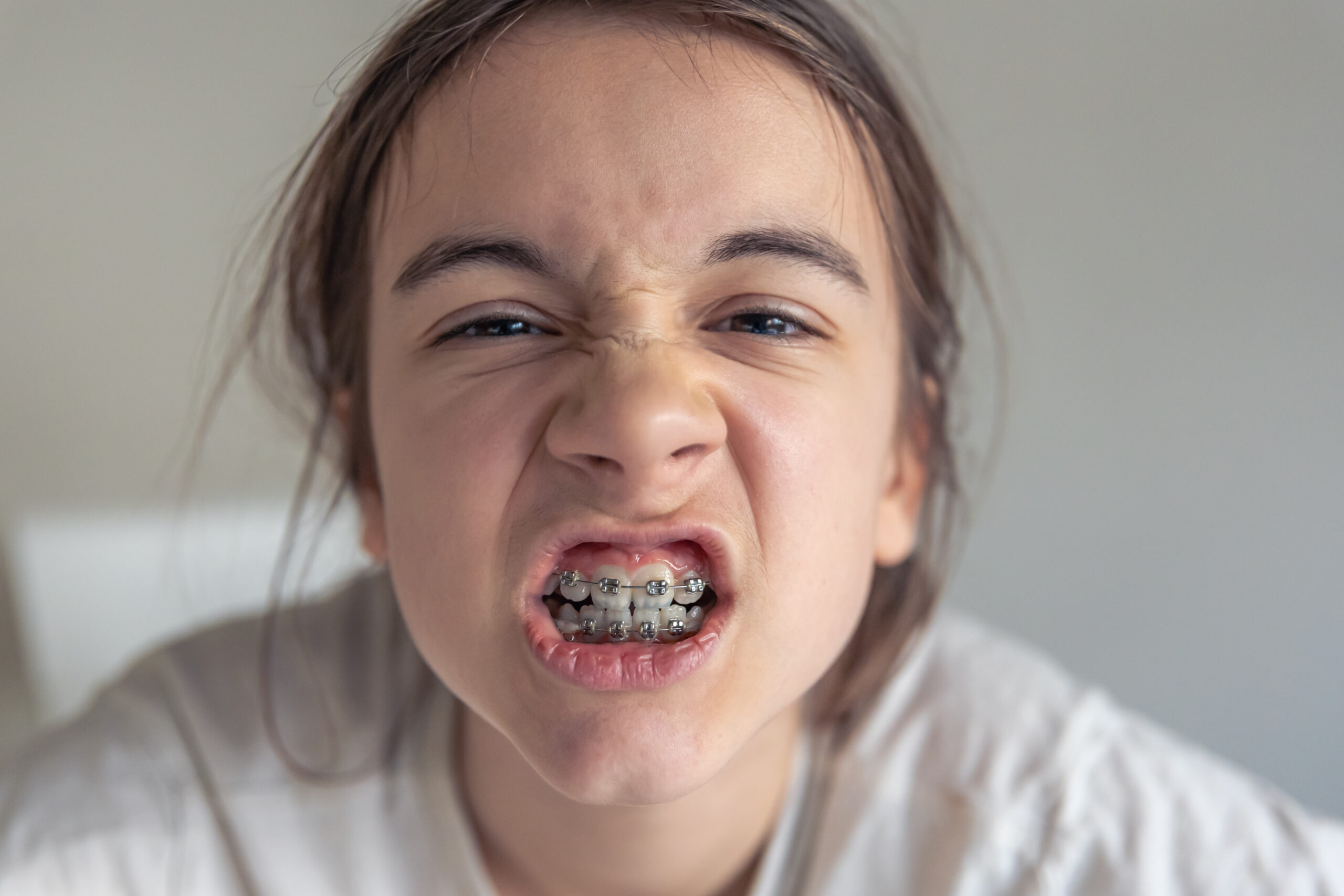
Imagine getting braces for the first time, and you wake up not only feeling irritated but also dehydrated and dry in the mouth. Sounds uncomfortable, right? Braces are a great invention for aligning your smile, but they can have certain side effects that can give you a dry mouth at the same time. If neglected, dry mouth with braces can cause an issue for your overall dental health. Read on to know how.
What Exactly is Dryness of the Mouth or Xerostomia?
When your body does not produce enough saliva to keep your mouth hydrated, it causes the mouth to dry up; that is what we call xerostomia. It is the saliva that keeps your mouth hydrated and moisturized; it does not let the food particles stay in the mouth, but wearing braces can cause bacteria to form in your mouth, which is extremely bad for your oral hygiene, causing less saliva production and dryness.
Symptoms Of Dry Mouth
If neglected and not taken care of, the symptoms of dry mouth with braces can turn into an ugly problem for your dental health. Some of the symptoms to watch out for are:
-
Constant Bad Breath
Unpleasant breath is caused when saliva is not produced in enough quantity to wash off the food particles; this causes bacteria to build up and that in turn causes smelly breath.
-
Dryness and Burning in the Throat
Speaking and swallowing can be painful due to the lack of saliva.
-
Chapped Lips
Chapped lips with braces are caused when there isn’t enough moisture; the lips dry out and eventually crack and give that chapped look.
-
Sticky or Dry Mouth
When saliva produced is less, the mouth feels sticky and the existing little saliva feels thick. This is caused when saliva is not enough and the body needs more of it.
-
Feeling Thirsty Constantly
Your body always talks to you; if you are not hydrated, the body will constantly give you signs that you need to drink water
-
Soreness in the Tongue and Mouth
The inside of the mouth, including your tongue, is made up of soft tissues; these can turn sore due to the irritation that is caused by dryness.
-
Strained Voice
Dryness in the mouth can strain your vocal cords and cause your voice to sound heavy and croaky.
-
Altered or Loss of Taste
Food can taste weird and bland or even bitter due to the dryness affecting the taste buds.
What Causes Dry Mouth?
Dryness in the mouth can neither let you chew properly nor will it make swallowing the food easy. Speaking is another thing that will become painful. Now that we know of the symptoms, let’s understand what causes the mouth to dry:
-
Medication
Regular intake of medicines like antidepressants and blood pressure medicines can reduce saliva production.
-
Aging
As your body changes with age, you will feel the need to take medicines, and this bodily change may cause dryness in the mouth.
-
Chemo and Radiation Therapy
Cancer treatments like chemotherapy and radiation have a very strong effect on the body; they damage certain glands, which in turn causes reduced saliva.
-
Damaged Nerves
If you have ever injured a nerve in your neck or head, it can cause damage to your salivary glands.
-
Breathing with the Mouth and Snoring
People with sleep apnea, tonsils or adenoids tend to breathe from their mouth while they sleep. This causes dryness as well, leading to Xerostomia.
-
Consuming Alcohol and Cigarettes
Smoking, chewing tobacco, or drinking alcohol are also the main contributors to dry mouth as they affect the salivary glands.
Can Braces Be the Cause of Dry Mouth?
Braces can initially cause swelling in the gums due to discomfort; the body automatically reduces saliva production in that case. People who have to do a lot of talking, like giving lectures, etc., can also face dryness of mouth, especially if they have braces.
Ways to Prevent Dry Mouth with Braces
Don’t be worried if you are new to braces and suddenly experience dry mouth with braces. It is your body’s reaction to the foreign appliance. Luckily, there are ways to reduce the dryness and stay hydrated with braces for your comfort.
-
Nose Breathing Over Mouth Breathing
Make a conscious effort to breathe through your nose; this will keep your mouth moist.
-
Reduce Dehydration Triggers
Caffeine, alcohol, and even salty foods cause reduced saliva. Avoid such food at all costs.
-
Hydration is Key
Drink a lot of water throughout the day; it will produce more saliva for your overall oral health.
-
Soothe with Ice Chips
You can try sucking on ice chips like a popsicle gently, which can naturally add moisture to your dry mouth as they melt.
-
Use a Room Humidifier
A humidifier adds moisture to the air; using this before you go to bed can help your mouth stay hydrated.
-
Quit Smoking and Tobacco
Tobacco causes dryness of the mouth whether chewed or smoked. Avoid it completely for better oral health.
Braces can definitely be uncomfortable and cause further discomfort with the dryness of the mouth that they bring along. Understandably, you can be frustrated, but making lifestyle changes and avoiding trigger foods and tobacco products can help your situation and overall dental health. Including the tips in this article and making a conscious effort to stay hydrated can ease the condition and make your journey with braces a comfortable one. Take control of dry mouth during your braces journey with Thurman Orthodontics and enjoy a more comfortable, confident smile today.
FAQs
-
What Happens If You Don’t Treat Dry Mouth?
Not treating dry mouth can mean compromising on your overall oral health. It can cause tooth decay, gum diseases, foul breath, soreness and infections in the mouth, difficulty swallowing and chewing, and even affect your taste.
-
Why Is My Mouth Dry Even Though I Drink a Lot of Water?
Some common reasons for dry mouth even though you drink a lot of water, it could be due to medicines, mouth breathing, certain medical conditions, lifestyle, or diet factors.
-
Why Does My Mouth Dry Out When I Sleep?
Mouth dryness during sleep could be caused by mouth breathing or sleeping in dry climatic conditions. Certain medications and medical conditions, like sleep apnea or other sleeping disorders, also cause dryness of the mouth. A general lack of enough hydration can be another cause of dryness in the mouth while sleeping.

Dr. Brian Thurman has spent his entire life enjoying all the beauty that California has to offer. A Fresno native, he still escapes to the ocean or the mountains whenever his busy schedule allows. Driven by his love for natural beauty, Dr. Thurman enjoys creating beautiful smiles and healthy bites that last a lifetime. He is proud to be the only Ivy League trained Orthodontist in the Fresno/Clovis area.