
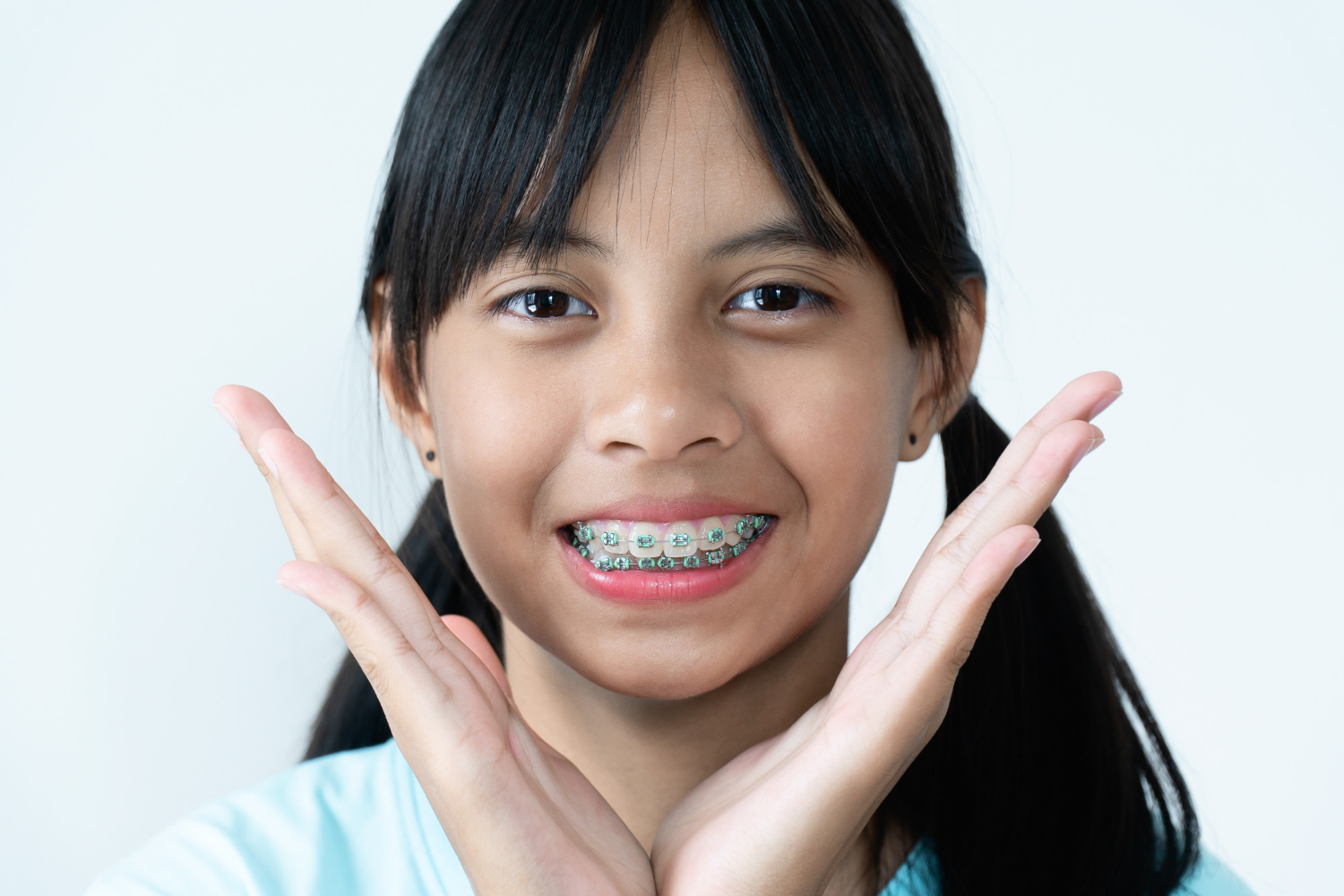
Are you thinking of wearing fake braces? Well, you are not alone! The trend of wearing false braces has tremendously risen in recent years, particularly among teens and young adults. They are also known as fashion braces or ornamental braces. Simply put, these fake braces are merely non-functional orthodontic tools.
While they may appear to be a fun and trendy addition, it’s crucial to realize the disadvantages of wearing fake braces for teeth. Therefore, this blog post is here to look at why fake braces have become so popular, the dangers they represent, and the safer alternatives to getting a beautiful smile. So, let’s dive in!
What Are Fake Braces?
Fake braces are fake orthodontic equipment that look like actual braces but have no functional use in addressing tooth disorders. They are frequently manufactured of low-quality materials and are easily obtained online or from unauthorized retailers.
These ornamental braces are often sold as DIY kits that include brackets, wires, and, in some cases, phony orthodontic bands.
Why is it So Popular to Wear Fake Braces?
The popularity of these ornamental braces can be attributed to several factors. Here are the top 4 reasons people wear fake braces:
- Alternative for Crooked Teeth: Many individuals who have misaligned teeth find fake braces as a temporary solution to hide their dental imperfections. It provides them with a sense of confidence and allows them to feel more comfortable with their smile.
- As a Costumes: Whether it’s for a themed party or a Halloween event, fake braces for kids can be an essential prop to complete a character’s appearance. They help create a realistic image and add a touch of authenticity to the costume. Sometimes, adults may prefer artificial braces, too.
- To Look Trendy: Fake braces have become popular among fashion-conscious people looking to make a fashion statement. People may show off their individuality and display their distinctive sense of fashion by wearing them.
- As a Status Symbol: Fake braces have gained momentum due to their association with celebrities and influencers. Therefore, for some, wearing fake braces has become a status symbol.
The Top 5 Risks of Fake Braces
Your oral health is too important to compromise. So, no matter how tempting the idea of fashion braces may sound, the following risks should not be taken lightly:-
- Choking: One of the most serious concerns linked with artificial braces is the possibility of the brackets or wires becoming loose and detaching. This can raise a choking threat, especially if the user consumes or inhales the tiny components unintentionally.
- Poisoning: Low-quality materials used to make fake braces may include poisonous compounds such as lead or other dangerous metals. There is a danger of poisoning or bad reactions when these materials come into contact with saliva or other oral fluids.
- Uncontrolled Tooth Movements: Unlike actual braces, which are meticulously developed and adjusted by orthodontic specialists, imitation braces can induce uncontrolled tooth movement. This can lead to greater misalignment and severe tooth and gum damage.
- Infections: The use of low-quality materials in artificial braces is one of the most hazardous risks of fake braces, as it raises the danger of mouth infection. The brackets and wires can irritate the gums and oral tissues, allowing germs to develop and perhaps cause infections.
- Tooth Decay: Fashion braces can obstruct regular oral hygiene practices. They make it more difficult to clean the teeth and gums adequately. This can raise the risk of tooth decay, gum disease, and other oral health problems.
Top 3 Safer Alternatives to Fake Braces
Check out the top three options that will give you the smile you’ve always wanted without compromising your dental health. Say goodbye to the risks of fake braces and hello to a confident smile with these fantastic alternatives.
- Actual Braces: If you have crooked teeth or other dental alignment issues, consulting with an orthodontist and getting actual braces is the most effective and safe solution. Real braces are carefully tailored to your specific dental needs. They are designed to gradually move your teeth into proper alignment under professional supervision.
- Veneers: If you desire a quick cosmetic fix for your teeth, veneers can be a viable option. Veneers are thin shells made of porcelain or composite resin that are bonded to the front surface of teeth. They can effectively improve the appearance of misaligned teeth. Moreover, veneers provide a natural-looking and long-lasting result.
- Invisalign: Invisalign is a popular alternative to traditional braces, offering a more discreet and comfortable orthodontic treatment. It involves the use of a series of clear aligners that are custom-made to align the teeth. Invisalign aligners are removable. So, it’s easier for you to maintain oral hygiene and enjoy a broader range of food options during this treatment.
Real Braces vs. Fake Braces: Comparison
To better understand the differences between ornamental braces and actual braces, let’s take a look at the following table:
| Criteria | Real Braces | Fake Braces |
|---|---|---|
| Functionality | Functional, correct dental issues | Non-functional, only for appearance |
| Professional monitoring | Yes | No |
| Treatment duration | Long-term | Temporary |
| Teeth shifting control | Controlled and guided | Uncontrolled |
| Material | High-quality and safe | Cheap and potentially harmful |
| Oral Hygiene | Requires additional oral hygiene care | Hinders proper oral hygiene practices |
Hopefully, it’s pretty evident to you by now that while fake braces may appear enticing at first appearance, they are fraught with hazards and dangers. It is critical to prioritize your dental health and look into safer options such as traditional braces, veneers, or Invisalign.
Consult with a certified orthodontist or dentist to determine the best treatment choices for your unique circumstances. Remember, your smile deserves to be taken care of.

Dr. Brian Thurman has spent his entire life enjoying all the beauty that California has to offer. A Fresno native, he still escapes to the ocean or the mountains whenever his busy schedule allows. Driven by his love for natural beauty, Dr. Thurman enjoys creating beautiful smiles and healthy bites that last a lifetime. He is proud to be the only Ivy League trained Orthodontist in the Fresno/Clovis area.