
mobile navigation aao-full invisalign icon invisalign-full invisalign-color invisalign-teen ada ada-full abo icon abo-full aao cda twitter< facebook google instagram youtube rss yelp healthgrades logo_facebook logo_instagram logo_twitter logo_google youtube logo_yelp rss blogger healthgrades logo_b map-pin close invisalign_comfort invisalign_control invisalign_predictability invisalign_speed outline_head outline_dollar outline_star outline_one outline_two outline_three outline_four thurman_cap smile treatment_faq treatment_imaging treatment_hightech treatment_metal treatment_ceramic treatment_invisalign phone smile-on

Invisalign Myths Debunked: What’s True and What’s Not

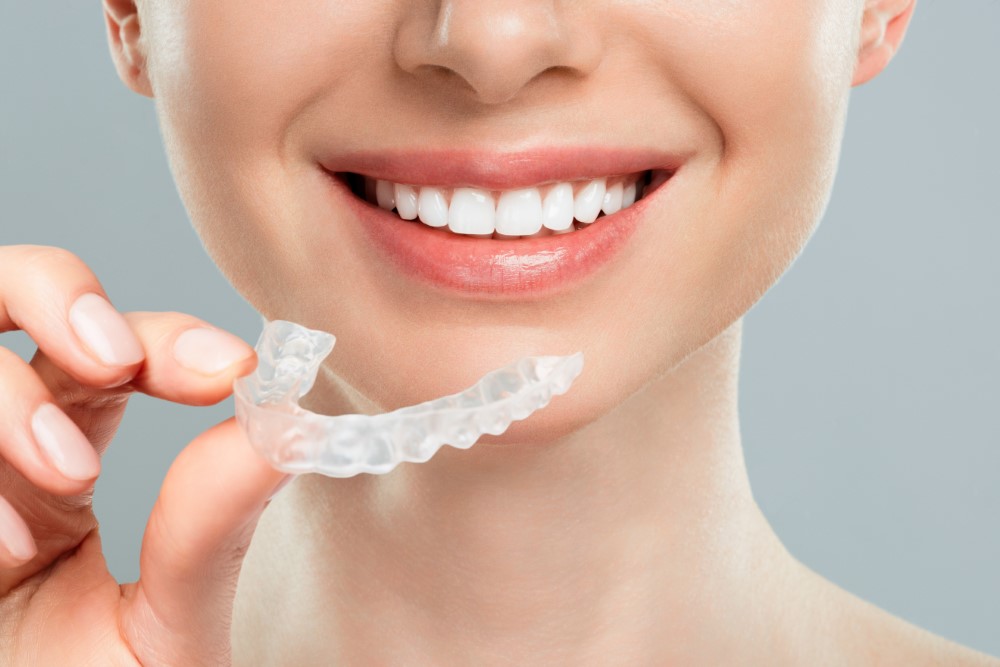
woman holding her aligners

Key Takeaways

  • Professional Expertise is Vital: Successful outcomes with Invisalign are not guaranteed by the technology alone but depend heavily on the orthodontist’s experience and expert planning.
  • Effective for Complex Cases: Modern Invisalign technology, when managed by an experienced provider, can effectively treat severe misalignments, crowding, overbites, and other bite issues.
  • Suitable for All Ages: While originally designed for adults, Invisalign is now a proven and effective option for teenagers and children.
  • Requires Personal Responsibility: For the best results, patients must commit to wearing the aligners for 20–22 hours per day and maintain strict oral hygiene habits like brushing and flossing.

Invisalign has transformed the way people straighten their teeth, offering a discreet and comfortable alternative to traditional braces. However, despite its popularity, there are still many misconceptions surrounding this clear aligner system. These misunderstandings often prevent people from exploring Invisalign as a treatment option—even when it could be a great fit for their smile.

In this guide, we’re debunking the most common Invisalign myths using facts backed by orthodontic experience. If you’ve ever wondered whether Invisalign actually works, who it’s for, or how it compares to braces, this article will help separate myth from reality.

via GIPHY


Why Do So Many Invisalign Myths Still Exist?

Many Invisalign myths come from outdated information, online marketing claims, or confusion between Invisalign and mail-order aligners. Invisalign technology has evolved significantly over the years, but older assumptions often continue circulating online.

Another reason myths persist is that results depend heavily on the orthodontist’s experience. Invisalign is not a “one-size-fits-all” solution—it’s a tool that must be expertly planned and monitored to achieve successful outcomes.

Understanding the difference between facts and misconceptions can help you make a confident, informed decision about your orthodontic care.

Myth vs Reality

Let’s look at a few facts about Invisalign and break the common myths:

Myth #1: Invisalign is not ideal for severe misalignments

Reality: Experienced orthodontists can help correct severe crowding of teeth (which result in overbites) using Invisalign.

Myth #2: You can treat every case with Invisalign

Reality: Invisalign is still not available and recommended for certain cases like those with severely displaced teeth, cases requiring complex surgeries of the jaw, cases where there are too many teeth which are missing, etc.

Myth #3: You cannot use Invisalign for children

Reality: Invisalign was initially developed for adults, but now, it has been increasingly used for teenagers too. There is no reason why they cannot be used in children.

Myth #4: Traditional braces are merely for children

Reality: While it is more common to see children and teenagers using braces as part of teeth correction process while growing up, a lot of adults have started opting for treatment for smile correction. Adults usually opt for clear braces which are invisible and can be detached when they are eating food or when they wish to attend/speak at social events.

Myth #5: Treatment results with Invisalign are not as good as traditional braces

Reality: Experience of the orthodontist should be your most important criteria during treatment. If you orthodontist is right, your result on Invisalign will be as good as traditional braces.

Myth #6: Any doctor can do Invisalign well

Reality: Like with any technology, Invisalign has orthodontists of varying experience and knowledge depth. Orthodontists who have been early adopters of the technology have made vast improvements in their practice and have become seasoned in the process. Dr. Thurman of Thurman Orthodontics is a Diamond Provider of Invisalign. Before you choose an orthodontist, make sure you understand their depth of experience in using the methodology to make a well-informed choice.

Myth #7: Invisalign Aligners Require Less Attention to Oral Hygiene

Reality: Invisalign is not a replacement for hygiene practices. Hygiene practices like brushing and flossing are incredibly essential to help maintain your dental health, so they must not be avoided at any cost.

Myth #8: You Can Order it Online Cheaper

Reality: Invisalign is not a direct B2C company. There are other invisible braces available online, but they are not Invisalign. Only approved orthodontists can supply Invisalign.

Myth #9: DIY aligners are just as significant

Reality: Given that teeth are an essential body part, it is not recommended to use DIY aligners as they generally prove to be risky, time-consuming and may even further damage the teeth rather than treat them.

Myth #10: Invisalign trays make you talk funny

Reality: Any new product needs a small adjustment period to adjust to your body. The same goes for Invisalign. Most people don’t face any issues, but a small portion of people may experience a lisp during the initial days. However, as the body gets adjusted to the aligners, the lisp will slowly disappear. The key is to keep wearing them and not giving up with initial discomfort if any.

Invisalign Myths Debunked: The Bottom Line

When it comes to orthodontic treatment, misinformation can lead to missed opportunities for a healthier, more confident smile. As we’ve shown, many common Invisalign myths are outdated or simply untrue.

Invisalign is a proven, effective treatment option for teens and adults when provided by an experienced orthodontist. If you’re considering clear aligners, the best next step is a professional consultation to understand your options and determine the right plan for your smile.

Don’t let myths hold back your smile. Reach out to our team to get the professional answers you need.

Book your consultation today

Frequently Asked Questions

Is Invisalign really effective?

Yes. Invisalign is clinically proven to treat a wide range of orthodontic issues when treatment is properly planned and supervised by an orthodontist.

How long does Invisalign treatment take?

Treatment time varies by case but typically ranges from 6 to 18 months. Some minor corrections may take less time.

Can Invisalign fix bite problems?

Yes. Invisalign can address overbites, underbites, crossbites, and open bites in many cases.

Does Invisalign hurt?

You may feel mild pressure when switching to a new set of aligners, but discomfort is usually minimal and temporary.

Can teens use Invisalign?

Absolutely. Invisalign Teen is designed specifically for adolescents and includes features to support growing smiles.

Do I need to wear Invisalign all day?

For best results, aligners should be worn 20–22 hours per day and removed only for eating, drinking, brushing, and flossing.

Is Invisalign noticeable when worn?

Invisalign aligners are made from clear material and are far less noticeable than traditional braces.

You are just one call away from a perfect, beautiful and healthy smile!

So give us a call or request a complimentary consultation online.

We look forward to meeting you!

Let's setup a time to hangout!

Appointment Request