
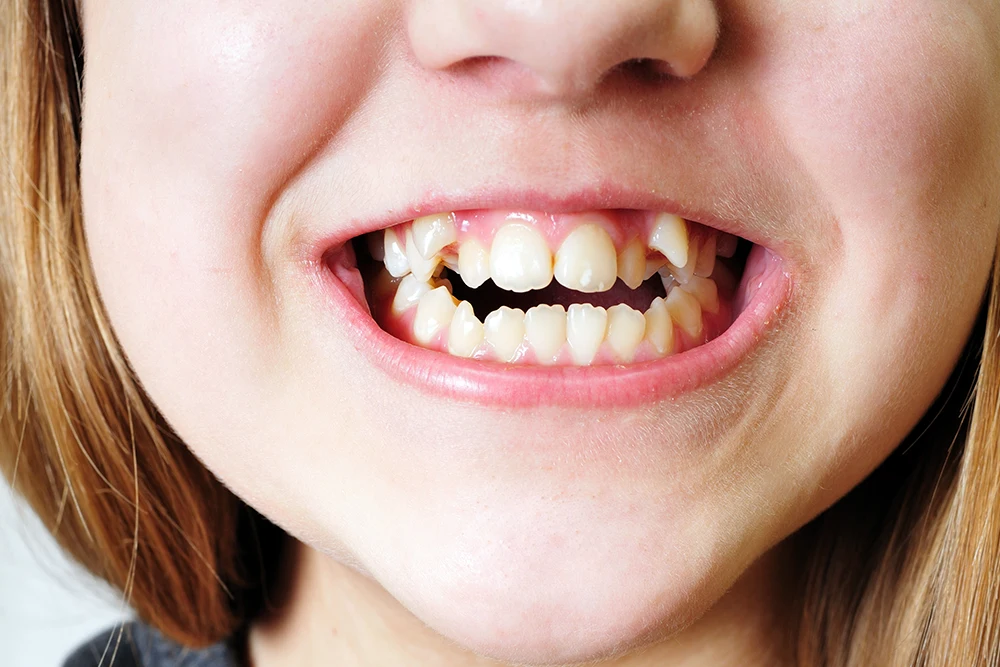
Braces are often thought of as an orthodontic treatment which causes great discomfort. For children, braces mean no candies, extra cleaning time and metal in the mouth. But did you know that braces address dental issues such as malocclusion or bad bites which can affect oral as well as overall health, besides offering several benefits? This article helps parents understand the reasons as to why braces for crooked teeth are important for their children and the associated benefits. Let’s take a look:
Reasons Why Your Child May Need Braces
A dentist is the best judge of whether or not your child needs braces. Regular dental visits help monitor the oral health of your child effectively and can help in early prevention of any underlying problems. The two of the most common reasons for which your child might need braces for kids are as follows:
-
Malocclusion
– Also known as bad bite, malocclusion is a condition wherein unnecessary pressure is exerted on specific teeth which can chip or damage the teeth. The chewing muscles also experience stress in this oral condition which may result in Temporomandibular Joint (TMJ) syndrome or headaches.
-
Overcrowded teeth
– When the teeth are improperly aligned in a way that makes them overcrowded, it makes cleaning them difficult. The chances of food debris getting stuck in between them also increase. This makes such misaligned teeth prone to decay and damage and may also result in gum diseases.
Benefits of Braces for Kids
Orthodontic treatment involving braces can help your children in the following ways:
- Bad bites because of misaligned teeth can make chewing and eating difficult. Extra pressure is exerted on the jaw muscles and joints. Long-term effects may include severe jaw pain, headaches, and even locked jaw syndrome. Also, since the food is chewed improperly because of crooked teeth, it is not digested properly. This may result in digestion or bowel movement problems. Braces help your child achieve a balanced and improved bite.
- Irregular jaw movement is often caused because of crooked teeth. It further leads to extra stress on the jaw joints and muscles which may give rise to Temporomandibular Joint (TMJ) disorders. TMJ is also aggravated by bite problems. Braces help align the teeth properly, thus improving the bite and providing relief from jaw pain and other symptoms of TMJ.
- Cleaning teeth become difficult if they are not aligned correctly. This may result in oral health issues such as cavities, tooth decay and gum diseases over a period of time if ignored for long. Braces help rectify the alignment of such teeth which makes cleaning easy and efficient, thus eliminating the risk of oral problems due to improper cleaning.
- Crooked or imperfectly aligned teeth inadvertently result in biting of the insides of the cheek or tongue due to the improper shape of the mouth and cause great discomfort at times. Appropriate orthodontic treatment involving braces can help reduce this distress.
- Misaligned teeth often prevent your child from smiling confidently. Gradually they might begin to lose the confidence of smiling or even speaking in public. Braces help correct the alignment of the teeth and with perfectly straight teeth, the child feels more confident about speaking or smiling in public.
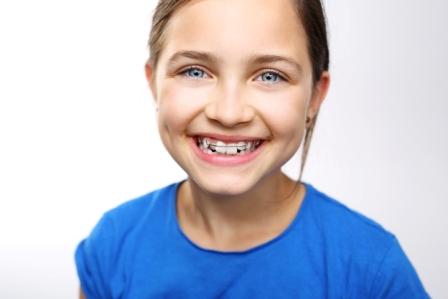
If you are looking for an experienced orthodontist in Fresno, CA, get in touch with us at Thurman Orthodontics. Our team of experts can help your child achieve a perfect smile with affordable and efficient orthodontic treatments. Schedule an appointment today.
Related Post: Early Orthodontic Treatment for Children

Dr. Brian Thurman has spent his entire life enjoying all the beauty that California has to offer. A Fresno native, he still escapes to the ocean or the mountains whenever his busy schedule allows. Driven by his love for natural beauty, Dr. Thurman enjoys creating beautiful smiles and healthy bites that last a lifetime. He is proud to be the only Ivy League trained Orthodontist in the Fresno/Clovis area.