
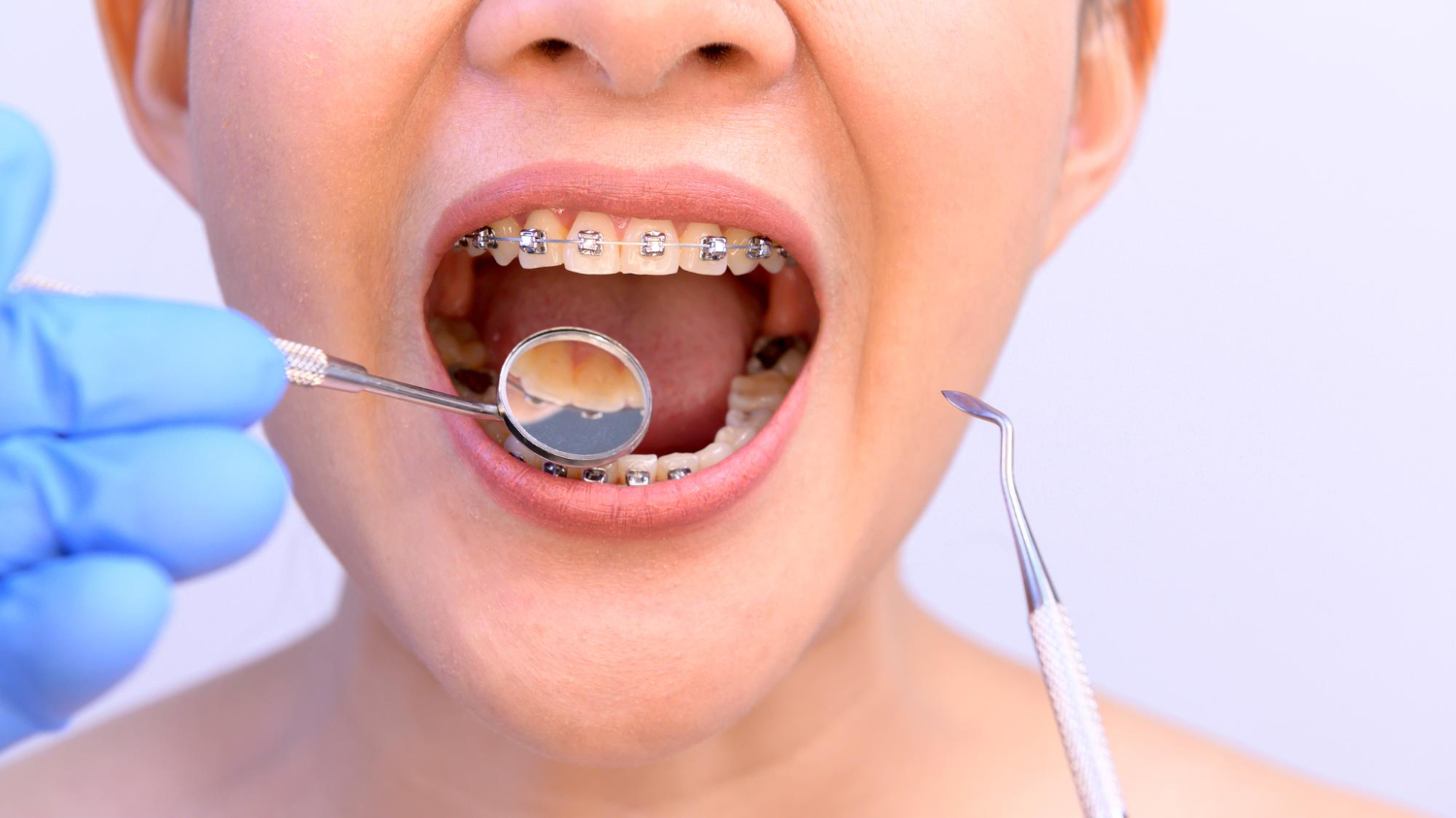
Braces can significantly improve your smile by straightening your teeth and correcting bite issues, but what if you have cavities? A lot of people wonder if it’s possible to start orthodontic treatment when they have dental decay. This article explores whether you can get braces with cavities, what happens if you develop a cavity with braces, and how to manage your oral health during orthodontic treatment. Understanding these aspects is essential for ensuring that your journey to a perfect smile is as smooth and effective as possible.
What Are Tooth Cavities?
Tooth cavities, also known as dental caries or decay, are permanently damaged areas in the hard surface of your teeth that develop into tiny openings or holes. Cavities are caused by a combination of factors, including bacteria in your mouth, frequent snacking, sipping sugary drinks, and not cleaning your teeth well.
Can You Get Braces if You Have Cavities?
Yes, you can get braces if you have cavities, but it’s not recommended. Orthodontists typically prefer to address any existing dental issues before starting orthodontic treatment. Filling cavities before getting braces ensures that your teeth and gums are healthy and can better handle the stress and care required during the treatment.
What If You Have Cavities and Get Braces?
-
Pain and Discomfort
Cavities can cause pain and discomfort, which can be exacerbated by the pressure of braces. This discomfort can make the orthodontic process more challenging and less effective.
-
Broken Teeth
Teeth weakened by cavities are more susceptible to breaking under the stress of braces. This can complicate your orthodontic treatment and potentially require additional dental work.
-
Possible Bad Results from the Braces
Untreated cavities can undermine the success of your braces. The decay can progress, leading to more significant dental problems that can disrupt the alignment process and result in less optimal outcomes.
-
Effect on Smile
Cavities can affect the appearance of your teeth, even if they are being straightened by braces. Ensuring your teeth are healthy before getting braces will help you achieve the best possible smile.
How to Manage Cavities with Braces?
-
Maintain Proper Dental Hygiene
Keeping your teeth clean is crucial when you have braces. Brush your teeth at least twice a day and floss daily to remove food particles and plaque that can lead to cavities.
-
Use Fluoride Products
Fluoride toothpaste and mouth rinses can help strengthen your tooth enamel and prevent cavities. Your orthodontist or dentist may recommend specific fluoride treatments if you are at higher risk for decay.
-
Go for Regular Dental Check-Ups
Regular dental check-ups are essential for monitoring and maintaining your oral health. Your dentist can spot early signs of cavities and provide timely treatment to prevent further decay.
-
Limit Sweets intake and Acidic Meals
Reducing your intake of sugary and acidic foods and drinks can help prevent cavities. These substances can erode tooth enamel and create an environment where cavities can develop more easily.
What If You Get a Cavity After Getting Braces?
If you develop a cavity while wearing braces, it’s important to address it promptly. Your dentist can work with your orthodontist to treat the cavity without significantly disrupting your orthodontic treatment. This might involve removing the braces from the affected tooth, filling the cavity, and then reapplying the braces.
Can You Get Braces if You Have Fillings?
Yes, you can get braces if you have fillings. Fillings repair and restore the function of a tooth affected by decay. Braces can be applied to teeth with fillings without any issues, as long as the fillings are intact and the teeth are otherwise healthy.
Will Braces Still Work on Teeth That Have Had Cavities?
Braces can still be effective on teeth that have had cavities, provided the cavities were properly treated and filled. The key is to ensure that all dental issues are addressed before starting orthodontic treatment to ensure the best results.
Addressing cavities before getting braces is crucial for successful orthodontic treatment. Maintaining proper dental hygiene, using fluoride products, attending regular dental check-ups, and limiting sugary and acidic foods can help manage cavities with braces. If you develop a cavity after getting braces, prompt treatment is essential to keep your orthodontic progress on track. Remember, healthy teeth are the foundation of a beautiful smile.

Dr. Brian Thurman has spent his entire life enjoying all the beauty that California has to offer. A Fresno native, he still escapes to the ocean or the mountains whenever his busy schedule allows. Driven by his love for natural beauty, Dr. Thurman enjoys creating beautiful smiles and healthy bites that last a lifetime. He is proud to be the only Ivy League trained Orthodontist in the Fresno/Clovis area.