

Traditional braces have long been recognized as an effective method for aligning teeth, but what about power chain braces? These innovative braces consist of connected elastic O-rings that can accelerate the teeth straightening process. Let’s explore the benefits and mechanisms of power chain braces and how they can expedite your journey to achieving a confident and radiant smile.
What are Power Chain Braces?
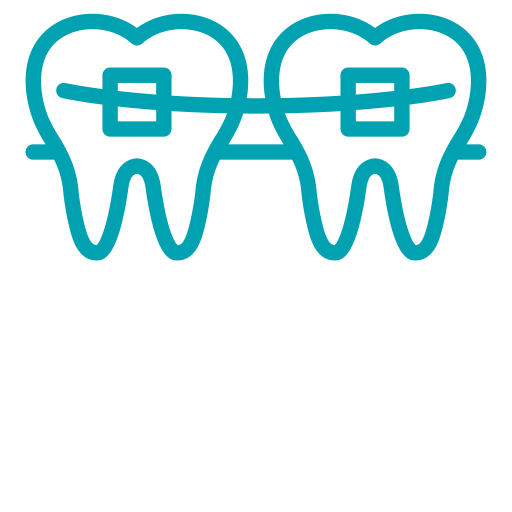
Power chain braces are a type of traditional braces that include a chain of connected elastics. These elastics are used instead of individual rubber bands and provide continuous, gentle pressure to targeted teeth.
Interested in learning more about braces and their various types? Check out our comprehensive guide on Braces now!
Types of Power Chains for Braces
There are different types of power chains used to address specific orthodontic needs:
- Closed Power Chains:
A continuous loop, often made of flexible material such as orthodontic wire or elastic bands, is carefully placed around each tooth that is to be moved as part of the orthodontic treatment. - Short Power Chains:
The connectors are designed to target specific teeth for precise and targeted adjustments. - Long Power Chains:
Spanning across a larger geographical area, these initiatives aim to address significant gaps and correct any misalignment that may exist on a broader scale.
How Do Power Chain Braces Work?
The power chain consists of connected elastics that exert a continuous and gentle force on the teeth. This consistent pressure aids in the efficient movement of the teeth into their desired positions, resulting in faster progress compared to traditional braces used on their own.
What Do Power Chain Braces Do?
Power chain braces offer a variety of benefits for your smile journey:

Closing Gaps in Teeth:
Dental bridges are an effective solution for closing gaps caused by missing teeth or misalignment. By using dental bridges, a natural-looking replacement for the missing teeth is created, restoring both the functionality and aesthetics of the smile.
-
Promoting Even Spacing:
Power chains, which are a series of connected elastic O-rings, are often used in orthodontic treatment to help create consistent and even spacing between teeth.
-
Aligning Crooked Teeth:
Gentle, continuous pressure applied using orthodontic devices can effectively and gradually straighten misaligned or crooked teeth.
-
Rotating Teeth:
Power chains, which are elastic or metal links, are a type of orthodontic appliance used to apply continuous pressure to move teeth and achieve proper alignment. They are often used in conjunction with braces to help rotate teeth and correct bite issues.
-
Bite Correction:
Dental braces are an effective way to correct bite issues and improve overall oral health.

Risks and Side Effects of Power Chain Braces
While generally safe, power chain braces can have some downsides:
-
Gum Diseases and Tooth Decay:
Proper oral hygiene is crucial to prevent these issues.
-
Short Tooth Roots:
In rare cases, excessive force can affect tooth root development.
-
Lost Correction:
Not following your orthodontist’s instructions can lead to teeth shifting back.
-
Pain:
You might experience some temporary discomfort when new power chains are placed.
-
Ongoing Adjustments:
Regular appointments are necessary to monitor progress and adjust the power chains.




How to Care for Power Chain Braces?
Maintaining good oral hygiene is essential with power chain braces:
- Brush after each meal.
- Brush gently to avoid damaging the brackets or chains.
- Floss daily to remove food particles stuck between teeth.
- Rinse after cleaning to remove any remaining food debris.
- Check your braces in the mirror regularly to ensure no damage.
- Avoid certain food types: This includes sticky, hard, and high-sugar foods that can damage the braces or make cleaning difficult.
Power Chain Colors
Power chains for braces come in a wide range of colors, allowing you to add a fun and personalized touch to your orthodontic treatment.

Power Chain Alternatives
Power chains are a valuable tool, but alternatives exist:
- Extraction refusal:
In some cases, teeth may not need extraction for gap closure. - Standard braces:
These can achieve results without power chains, though it might take longer. - Clear aligners:
Depending on the complexity of your case, clear aligners might be an option.
Final Thoughts
Power chain braces can be a powerful asset in your orthodontic treatment, accelerating tooth movement and promoting a beautiful smile. If you have questions about power chains or braces in general, consult with us
FAQs
-
Who Needs Power Chain Braces?
An orthodontist will determine if power chains are beneficial for your specific needs.
-
How Long Will I Need to Wear Power Chains?
The duration depends on your treatment plan, but it’s typically a few weeks.
-
What to Do if Your Braces’ Power Chain Breaks?
Contact your orthodontist for a replacement.
-
Are power chain braces painful?
You might experience some temporary discomfort when new chains are placed.
-
How long do your teeth hurt after getting power chains?
Discomfort usually subsides within a day or two.
-
Is a Broken Power Chain an Emergency?
It’s not an emergency, but contact your orthodontist for a replacement.
-
Does a power chain need to be replaced?
Yes, power chains lose effectiveness over time and need to be replaced regularly.

Dr. Brian Thurman has spent his entire life enjoying all the beauty that California has to offer. A Fresno native, he still escapes to the ocean or the mountains whenever his busy schedule allows. Driven by his love for natural beauty, Dr. Thurman enjoys creating beautiful smiles and healthy bites that last a lifetime. He is proud to be the only Ivy League trained Orthodontist in the Fresno/Clovis area.