
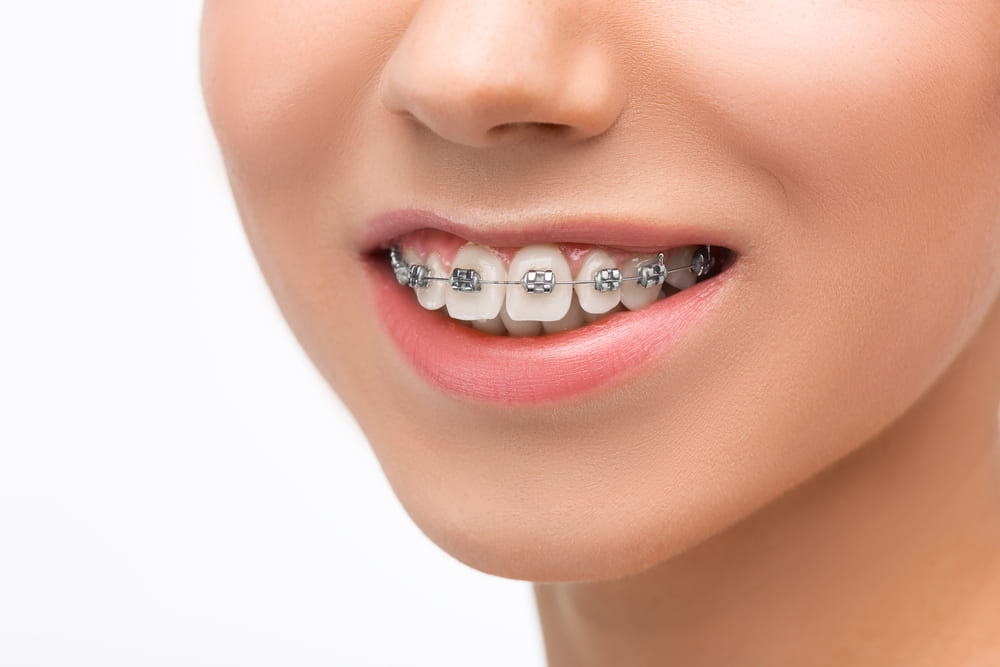
Dental braces are correctional devices used by orthodontics to align and straighten teeth to improve bite related issues. While getting braces can be scary, advancements in the field of orthodontics have significantly reduced the pain and discomfort most people face through the treatment. Now, there are multiple options with regard to the kind of braces, the material used, the color, etc.
“`html
15 Things to Know Before Getting Braces: What to Expect Before Starting Orthodontic Treatment
Getting braces is an exciting step toward achieving a healthier, more confident smile. While many people focus on the end result, understanding what to expect before treatment begins can help you feel more prepared and make the process much smoother.
Modern orthodontic treatment is more comfortable, effective, and customizable than ever before. Whether you’re considering braces for yourself or your child, here are 15 important things to know before getting braces.
Quick Answer
Before getting braces, it’s important to understand the different treatment options available, how long treatment may take, what foods you’ll need to avoid, how to care for your teeth during treatment, and what to expect during the adjustment period. Proper preparation and good oral hygiene can help ensure a successful orthodontic experience and long-lasting results.
1. Braces Improve More Than Just Your Smile
When most people think about braces, they picture straighter teeth and a more attractive smile. While those benefits are certainly important, braces can also improve the way your teeth fit together, make chewing more comfortable, support clearer speech, and help reduce uneven wear on your teeth over time.
A healthy bite contributes to both the appearance and function of your smile, which is why orthodontic treatment focuses on much more than aesthetics alone.
2. You’re Never Too Old for Braces
Although braces are often associated with teenagers, orthodontic treatment can be successful at almost any age. Many adults choose braces or clear aligners to correct bite issues, address shifting teeth, and improve their overall oral health.
If you’ve been wondering whether you’ve missed your chance for a straighter smile, the answer is probably no. During your consultation, your orthodontist can determine which treatment options are best suited to your needs.
3. Your First Orthodontic Consultation Is an Important Step
Before getting braces, you’ll typically attend a consultation where your orthodontist evaluates your smile and discusses your treatment goals.
During this visit, your orthodontist may:
- Examine your teeth and bite
- Take digital X-rays or photographs
- Review treatment options
- Discuss expected treatment timelines
- Answer questions about costs and financing
This appointment helps create a personalized treatment plan designed specifically for your smile.
4. There Are Several Types of Braces Available
Today’s orthodontic patients have more treatment choices than ever before.
Common options include:
- Traditional Metal Braces – Durable and highly effective for treating a wide range of orthodontic concerns.
- Ceramic Braces – Similar to metal braces but designed to blend more naturally with your teeth.
- Clear Aligners – A removable option that may be suitable for certain patients seeking a more discreet treatment experience.
Your orthodontist will recommend the treatment option that can deliver the best results for your specific case.
5. Getting Braces Is Easier Than Most People Expect
It’s completely normal to feel nervous before your braces appointment. Fortunately, the process is usually much simpler than patients imagine.
During the appointment, your orthodontist will clean your teeth, place the brackets, attach the wires, and provide instructions on how to care for your braces. Most appointments take between one and two hours.
Once your braces are on, you can typically return to your normal activities the same day.
6. Some Temporary Discomfort Is Normal
One of the most common questions patients ask before getting braces is whether they will hurt.
You can expect some mild soreness or pressure during the first few days after getting braces and after future adjustment appointments. Most patients describe the sensation as pressure rather than pain.
Eating softer foods, staying hydrated, and following your orthodontist’s recommendations can help make the adjustment period more comfortable.
7. Treatment Time Varies for Every Patient
It’s natural to wonder how long you’ll need to wear braces, but treatment timelines vary from person to person.
Factors that can influence treatment length include:
- The complexity of your case
- The type of braces being used
- How consistently you follow treatment instructions
- Attendance at scheduled appointments
Many patients complete treatment within 12 to 24 months, although some cases may require more or less time.
8. Good Oral Hygiene Becomes Even More Important
If there’s one habit that can make a significant difference during orthodontic treatment, it’s maintaining excellent oral hygiene.
Brackets and wires create additional places where food and plaque can collect, which means you’ll need to be more diligent about brushing and flossing.
To keep your smile healthy during treatment:
- Brush after meals whenever possible
- Use fluoride toothpaste
- Floss daily
- Consider a water flosser or interdental brushes
- Continue routine dental cleanings
9. Certain Foods Should Be Avoided
Some foods can damage brackets and wires, which may result in unexpected repairs and treatment delays.
It’s best to avoid:
- Hard candies
- Popcorn
- Nuts
- Ice
- Sticky candies
- Chewy caramel
Choosing softer foods can help protect your braces and keep treatment moving forward as planned.
10. Orthodontic Wax Can Be a Lifesaver
As your mouth adjusts to braces, you may occasionally experience minor irritation on the inside of your cheeks or lips.
Orthodontic wax creates a smooth barrier between your braces and soft tissues, helping reduce irritation and improve comfort during the adjustment period.
11. Regular Appointments Help Keep Treatment on Track
Braces work gradually over time, which means regular checkups are an important part of the process.
These appointments allow your orthodontist to monitor progress, make necessary adjustments, and ensure your treatment continues moving in the right direction.
Keeping scheduled appointments can help prevent unnecessary delays and improve treatment outcomes.
12. Sports and Activities Can Continue
Having braces doesn’t mean you need to give up your favorite activities.
Patients who participate in sports should wear an orthodontic mouthguard to help protect their teeth, lips, and braces during practices and games.
With the proper precautions, most activities can continue as normal.
13. The Cost of Braces Depends on Several Factors
The cost of braces varies depending on factors such as treatment complexity, the type of braces selected, treatment duration, and insurance coverage.
During your consultation, your orthodontist can explain available payment options and help you understand what to expect financially before treatment begins.
14. Retainers Are Part of the Process Too
Many patients are surprised to learn that orthodontic treatment doesn’t end when the braces come off.
After treatment, retainers help maintain your new smile by preventing teeth from gradually shifting back toward their original positions.
Wearing your retainer as instructed is one of the most important steps in protecting your investment in orthodontic treatment.
15. The Results Are Worth the Commitment
Getting braces requires patience, commitment, and a willingness to make a few temporary adjustments to your routine. However, most patients find that the long-term benefits far outweigh the temporary inconveniences.
A healthier bite, improved oral health, and greater confidence in your smile are benefits that can last a lifetime.
As you can see, a lot of the factors mentioned above are directly related to your oral health habits and your willingness to maintain good oral health. And, even if you’ve never followed any recommended dental practices in the past, you will have to do so in order to achieve the desired results from your orthodontic procedure and to benefit from post its completion. So, be sure to consult your orthodontist about the various methods you can use to supplement the correctional procedure as well as the do’s and don’ts in order to receive its benefits for a long time to come!

Frequently Asked Questions
Do braces hurt when they are first put on?
Most patients experience mild soreness or pressure for a few days after getting braces. The discomfort is temporary and typically improves as your mouth adjusts.
How long does it take to get braces?
The braces placement appointment usually takes between one and two hours, depending on your treatment plan.
How long do braces stay on?
Many orthodontic treatments last between 12 and 24 months, although treatment time varies based on the complexity of each case.
What foods should I avoid with braces?
Hard, sticky, crunchy, and chewy foods such as popcorn, nuts, caramel, and hard candy should generally be avoided during treatment.
Can adults get braces?
Yes. Orthodontic treatment can be effective at almost any age, and many adults successfully improve their smiles with braces or clear aligners.
Will I need a retainer after braces?
Yes. Retainers help maintain your results and prevent teeth from shifting after treatment is complete.

Dr. Brian Thurman has spent his entire life enjoying all the beauty that California has to offer. A Fresno native, he still escapes to the ocean or the mountains whenever his busy schedule allows. Driven by his love for natural beauty, Dr. Thurman enjoys creating beautiful smiles and healthy bites that last a lifetime. He is proud to be the only Ivy League trained Orthodontist in the Fresno/Clovis area.